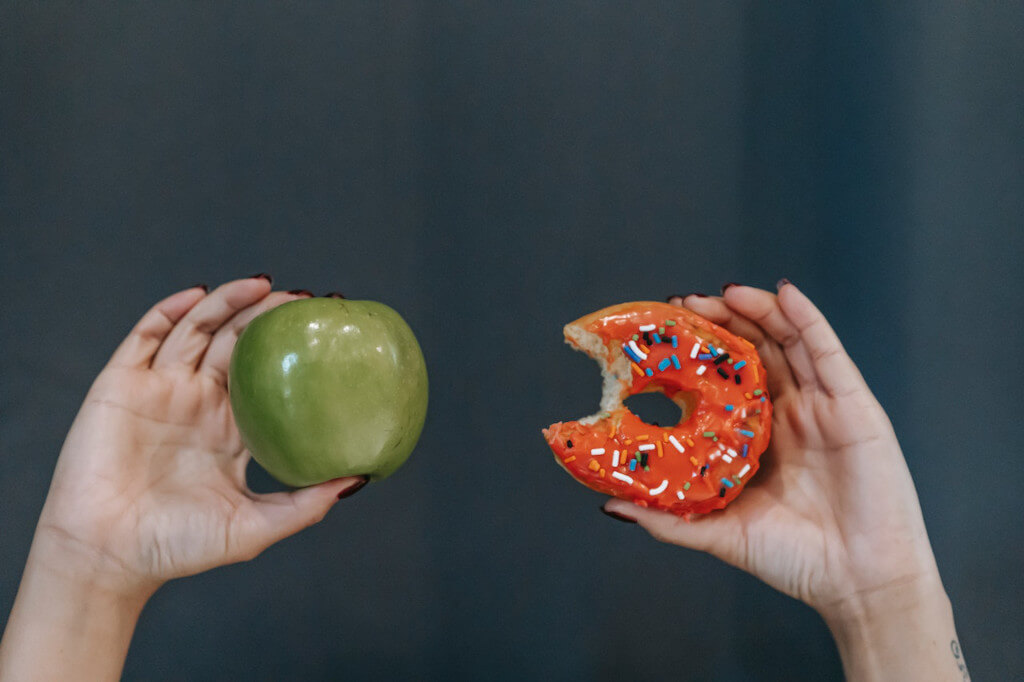
A smaller waist is a lovely update. A thinner ponytail was not on the mood board.
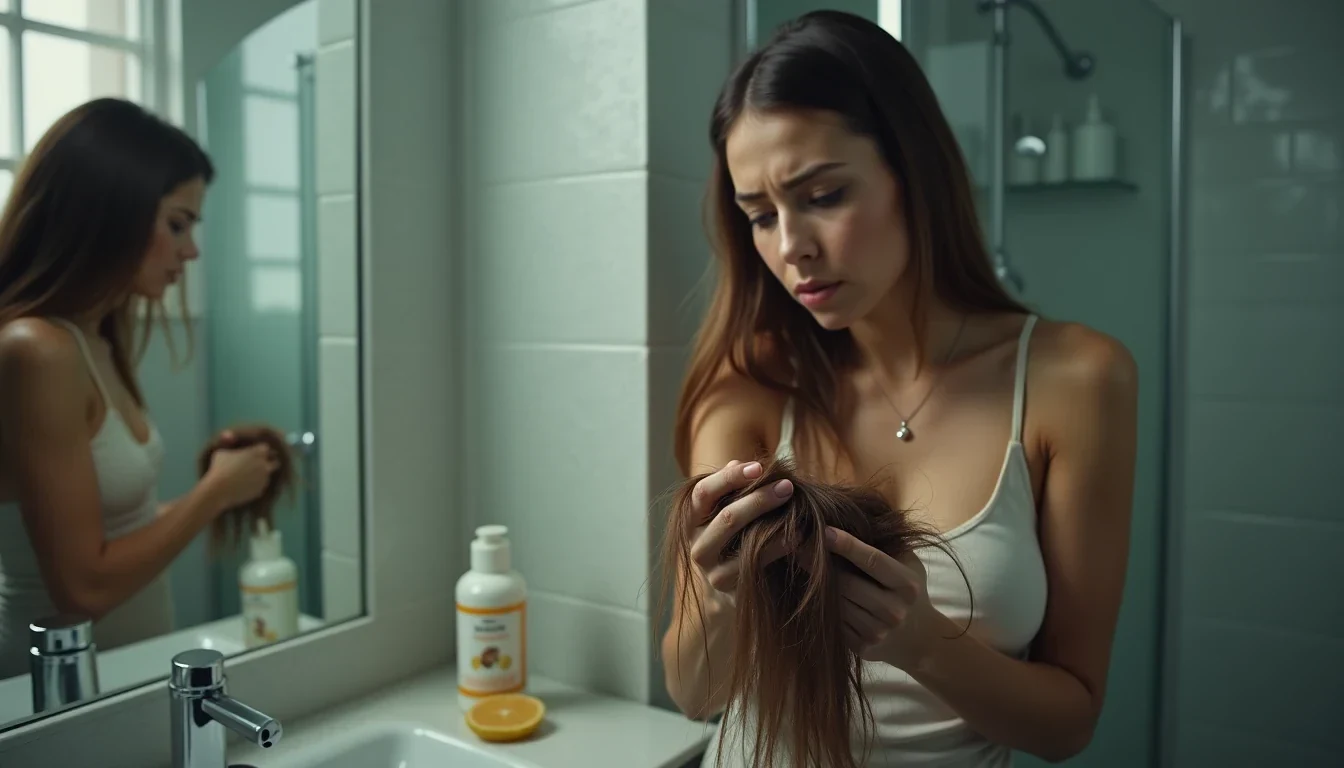
Nobody puts that part in the glossy before-and-after post. The jeans slide up, the selfies hit, and the scale behaves. Then the shower drain starts collecting enough hair to make you stare at your reflection like it has personally betrayed you. For some women on GLP-1 weight-loss medicines, this is an awkward bonus nobody asked for.
The hair nobody filtered out
“Ozempic hair” is the nickname for shedding that can show up during rapid weight loss, especially with drugs like semaglutide and tirzepatide. Ozempic and Wegovy are semaglutide brands. Mounjaro and Zepbound are tirzepatide. While the medication may be the headline, the hair loss people notice is usually telogen effluvium, a temporary shedding pattern where more follicles than usual shift into rest mode and fall out a few months later.
This sounds clinical until it happens to you. One week you are thrilled because your face looks snatched and your old trousers button without a civil war. The next week you stand in the bathroom holding a fistful of hair, wondering which was the better trade. The emotional whiplash is real. Hair is not some optional extra, especially for women who have spent years treating it like a personality trait.
What the 2026 study actually found
A large 2026 observational study looked at people with type 2 diabetes, comparing users of semaglutide and tirzepatide with patients taking two other diabetes drug classes. The GLP-1 group had a slightly higher rate of non-scarring hair loss.
This sounds scary until you get to the part everyone skips in the headline: the absolute risk was still low. The study also could not prove the medicine itself caused the shedding. Observational studies can spot patterns, but they cannot identify a single culprit.
Several plausible reasons exist for the timing being blamed on the drug. Rapid weight loss can stress the body. Reduced food intake can mean less protein, iron, zinc, and other nutrients hair needs. Hormonal shifts often come with significant fat loss. Add physical stress and the psychological stress of changing your entire relationship with food and your body, and the follicles can get grumpy.
Why the drain catches the drama
Influencer culture gets a bit ridiculous here. The campaign version of weight loss is always neat: smaller waist, glowier skin, happy smile, maybe a hand on the hip for dramatic effect. Nobody posts the shampoo bottle clogged with evidence.
Women feel that gap sharply because hair is tied so closely to identity. A body change that looks successful on camera can still feel messy in real life. You can love the number on the scale and hate the comb in your hand. Both reactions can be true in the same afternoon.
“Ozempic hair” has landed so hard in chatty corners of the internet because it names the part the glossy transformation reel leaves out. The medicine may be doing exactly what it was meant to do. The body, meanwhile, is busy adjusting in ways that are not pretty, not polished, and definitely not filtered.
What to do before you buy the TikTok miracle
If shedding bothers you, do not start with a basket of miracle gummies from TikTok. Speak to the doctor who prescribed the medication. They can help determine whether the hair loss fits a temporary shedding pattern, whether your dose or pace of weight loss needs a review, and whether anything else is going on.
Hair loss has many possible causes besides GLP-1 treatment. Thyroid problems, iron deficiency, autoimmune conditions, and other medications can all be part of the picture. A proper medical check matters more than whatever supplement has been shoved at you by an account with ring lights and affiliate links.
A good doctor can also look at the boring but crucial stuff, like whether you are eating enough overall, getting enough protein, and keeping an eye on iron, ferritin, vitamin D, and zinc if needed. That is less glamorous than a viral before-and-after. It is also much more useful than buying twelve powders because someone in a voice note said their cousin’s hair “came back fuller in two weeks.”
The uncomfortable truth
Weight-loss drugs have changed how many people think about appetite, size, and control. They have also exposed a very ordinary truth that transformation culture hates: bodies do not read the caption before they react.
A smaller dress size can come with a shedding scalp. A glowing selfie can hide a bathroom floor full of strands. The body is not a brand campaign; it does not always agree to perform happiness in the order we prefer.
If the weight is coming off and the hair is coming out, the answer is not panic or random internet supplements. It is a proper conversation with the person overseeing the treatment. The scale may be cheering. Your shower drain, less so.